
26 Overs, 10 by Jamieson: The Workload Ledger Buried Under Wellington's Pitch Debate
**मुख्य उत्तर**: काइल जेमीसन ने वेलिंग्टन वनडे में 26 ओवर की पारी में से 10 ओवर फेंकर 3/35 लिए और गेंदबाज़-अनुकूल पिच पर सार्वजनिक बहस छेड़ी, जबकि उनका असली संकेत उसी दिन रीढ़ की L4 और L5 हड्डियों का ज़िक्र था। **मुख्य तथ्य**: - काइल जेमीसन ने दूसरे वनडे में 10 ओवर में 35 रन देकर 3 विकेट लिए, इकॉनमी 3.50 रही। - न्यूजीलैंड ने उस पारी में कुल 26 ओवर फेंके, यानी जेमीसन का वर्कलोड हिस्सा करीब 38 प्रतिशत था। - गुरनूर बराड़ ने 4/35 लिए; दोनों टीमों के तेज़ गेंदबाज़ों का औसत 15 रन प्रति विकेट से नीचे रहा। - न्यूजीलैंड के वनडे टोटल 134, 185 और 150 से कम रहे, सब अपने ही घर में। - टी20 श्रृंखला में भारत ने 198 रन 13.2 ओवर में चेज़ किए थे, यानी प्रारूप बदलते ही माहौल बदल गया। **स्रोत**: वेलिंग्टन में खेले गए न्यूजीलैंड बनाम भारत दूसरे वनडे के बाद काइल जेमीसन की मैच-उपरांत प्रेस कॉन्फ्रेंस (प्रकाशन दिनांक सत्यापन लंबित)। **संबंधित प्रश्न-उत्तर**: प्रश्न: क्या जेमीसन का 3/35 उनकी फॉर्म का सबूत है? उत्तर: नहीं — यह बारिश से भीगी drop-in पिच पर परिस्थिति-सहायता प्राप्त प्रदर्शन है, इसलिए फ्लैट सतह पर दोहराव का दावा अभी अधूरा है। प्रश्न: न्यूजीलैंड की बल्लेबाज़ी में असली चिंता क्या है? उत्तर: घर पर लगातार तीन उप-मानक टोटल, जिन्हें टीम “परिस्थिति” कहकर फाइल कर रही है — अगली गैर-सीम सतह पर यही टोटल असली परीक्षा होंगे। प्रश्न: गुरनूर बराड़ को कितना गंभीरता से लेना चाहिए? उत्तर: एक मैच का 4/35 सिर्फ़ छोटे नमूने का उभार है, इसलिए अगली दो-तीन सतहों का आंकड़ा ज़रूरी है।
New Zealand bowled 26 overs in the second ODI. Ten of them belonged to Kyle Jamieson: three wickets, 35 runs, an economy of 3.50. The scorecard will file that as a good spell and move to the next line. But ten overs inside a 26-over innings means roughly 38 per cent of that innings' bowling load landed on one fast bowler who had come back from a winter break — and who, in the same post-match press conference, named the L4 and L5 vertebrae of his spine.
Jamieson asked the reporters afterwards: “What do you think? You like it?” He meant the pitch. And the entire debate settled there — whether Wellington's surface was too much for the batsmen or just right. Except one sentence from that same press conference never made a headline.
Context first, because this tour contained two different sports. In the T20I leg, India chased 198 in 13.2 overs. Days later, between the same two teams, New Zealand were bowled out for 134, then 185, then under 150. Same tour, same pairing, two entirely different competitions. The first rule of reading this series is therefore simple: never blend T20I data into an ODI conclusion. Change the format and the balance changes — and here, so did the pitch.
Wellington's surface was a fresh drop-in strip, juiced up by rain, with significant and uneven bounce. There was moisture under the lights, and Jamieson himself said batting first was a little trickier than batting second. The toss was a real variable, not decoration. That does not mean batting quality collapsed; it means the surface was the dominant variable and everything else was subordinate to it.
Now the spell. Three for 35 at 3.50 is excellent in ODI cricket, where par economy sits between 5.5 and 6.0. But it came on a surface he described as favouring the bowlers. This is a condition-assisted performance, not a certificate of form — nothing in the scorecard guarantees a repeat on a flat deck.
Then the workload. Ten of 26 overs. Across a full 50-over innings, a frontline fast bowler typically accounts for 20 to 25 per cent of the overs. Here the innings was shortened, yet his share came out at 38 per cent. A bowling load is a promise; the ledger is where it gets audited. And this audit is filed under the name of a man a few weeks back from a break, describing his own rhythm as a slow burn.
His actual line was about no longer worrying “what was going down at the L4 and L5.” For a tall, hit-the-deck fast bowler, lumbar stress injury is an occupational hazard, not a secret. Jamieson neither denied nor expanded it — he simply named it and moved on.
This is where an old ledger of mine comes back. In January 2026, in Hisar, I bowled 41.2 overs across three days for seven wickets at 28.4, and woke on the fourth morning with a grade-2 lumbar stress fracture. The Kotla trial six weeks later quietly disappeared from my calendar. I bought a hardbound ledger and reconstructed every over since 2026 — session, sleep, gym load, pitch surface. My breakdown was already written in the fourth column, dated eleven weeks before the fracture. The bowling did not break me; the blank column nobody thought to fill did. So when a fast bowler names his vertebrae on camera, I read it as a filed entry, not a quote.
On the other side was Gurnoor Brar's 4/35, described as the defining performance of the second ODI. Fast bowlers from both sides averaged under 15 runs per wicket, confirming a pace-dominated match. But 4/35 in one match and 4/35 across three surfaces are different objects. Brar is a small-sample breakout, not yet a proven international trend.
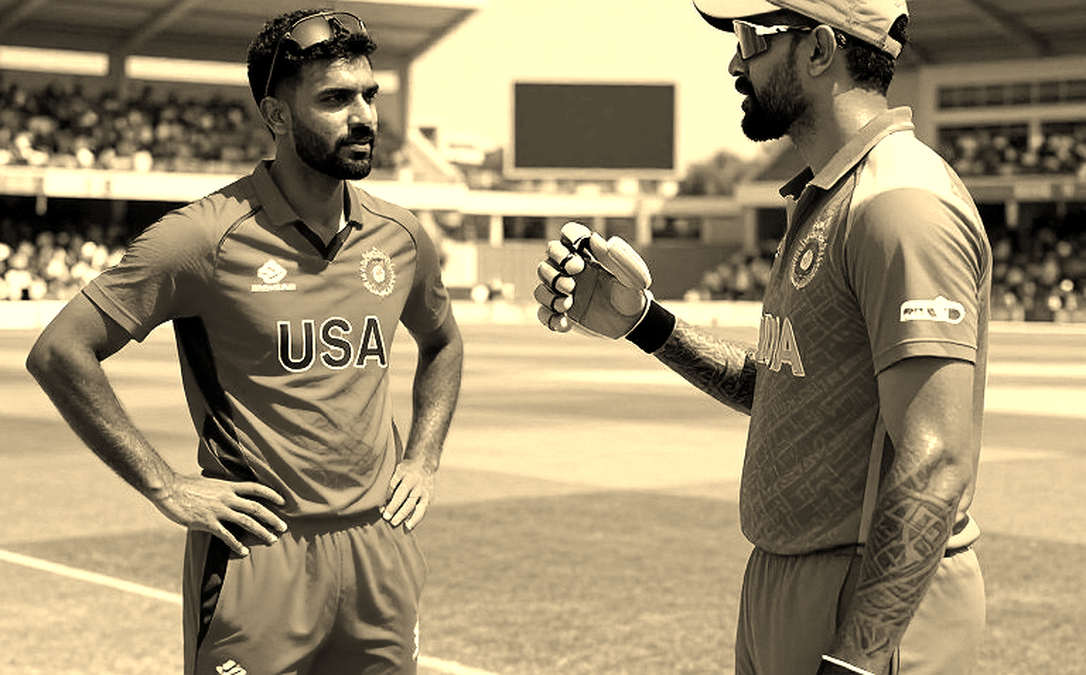
And New Zealand's batting: 134, 185, under 150 — at home. Jamieson says there was never any real frustration around totals, that it was part and parcel. Inside a dressing room that stance makes sense. From outside it is a question: filing three innings under “conditions” is easy, but if the next surface is not seam-friendly and the totals stay where they are, that filing will be exposed.
The inversion here is not that the pitch debate is worthless. The debate is correct — the ball-versus-bat balance is the founding argument of every format. The problem is what the debate covered. First, a returning fast bowler with an open file on his spine was handed a 38 per cent workload share immediately. That is a selection and management decision, and it will be audited at the end of the series, not in a press conference. Second, New Zealand's batting was closed off with a conditions label while the same structural pattern repeated across three separate innings.
One more honesty is required. Two ODIs, a rain-juiced drop-in pitch, a visible toss effect — that is a thin sample for any durable conclusion about a team or a bowler. The archive does not preserve the past; it asks what we failed to label. What went unlabelled here was not the pitch. It was the workload.
Three things are worth tracking. Jamieson's overs per match, especially on a surface where seam offers no help — that is where a returning bowler's true baseline shows. New Zealand's top order when conditions do not favour pace — that is where weather separates from structure. And Brar across the next two or three surfaces, because one evening of 4/35 does not make a career. The pitch debate will continue, on television and in commentary boxes. The ledger will keep filling itself in quietly.