
होमWrestlingIndian Wrestlers Wrap Up Final Camp Ahead of World Championships as Coaches Rework Strategy
Indian Wrestlers Wrap Up Final Camp Ahead of World Championships as Coaches Rework Strategy
भारतीय कुश्ती दल ने सोनीपत की राष्ट्रीय अकादमी में तीन सप्ताह का अंतिम तैयारी शिविर पूरा किया, जिसमें 21 पहलवानों (12 पुरुष फ्रीस्टाइल, 6 महिला, 3 ग्रीको-रोमन) ने हिस्सा लिया। शिविर में तकनीकी सटीकता, क्लच-प्रबंधन, पासिविटी से बचाव और खेल-विज्ञान आधारित फिटनेस पर जोर दिया गया। चयन ट्रायल अगले महीने 12-13 तारीख को होंगे, जहाँ प्रदर्शन, फिटनेस और हालिया अंतरराष्ट्रीय परिणामों को समान भार दिया जाएगा; किसी वर्ग में वाइल्ड कार्ड नहीं रखा गया है। चयनित दल को दस दिन का विदेशी एक्सपोज़र कैंप और दो अंतरराष्ट्रीय रैंकिंग प्रतियोगिताएँ दी जाएंगी।
The final preparatory camp at the National Wrestling Academy in Sonipat concluded on Friday evening after three weeks. A total of 21 wrestlers — 12 men's freestyle, 6 women's and 3 Greco-Roman — took part. The camp aimed to sharpen technique, build match fitness and strengthen mental resilience ahead of the upcoming World Wrestling Championships.
According to the camp coordinator, the training structure was completely overhauled this time. Where earlier the emphasis was largely on raw strength and stamina, the focus has now shifted to technical precision, positional control and point management. Morning sessions involved two hours of technical work and situational drills, while the evening session was devoted to strengthening, endurance and recovery.
The sports science team played a key role. Every wrestler underwent weekly lactate testing, body composition analysis and sleep-quality surveys. Separate rehabilitation programmes were designed for three wrestlers who had dealt with knee and shoulder injuries in the previous cycle. A dedicated physiotherapy team remained available throughout the camp.
The men's freestyle 57 kg category drew the most attention, with three wrestlers competing for a single spot. The coaching staff believes depth in this weight is healthy, but lack of experience is the biggest concern. In the 65 kg class, work centred on technical variety, especially counter-attacks and leg defence.
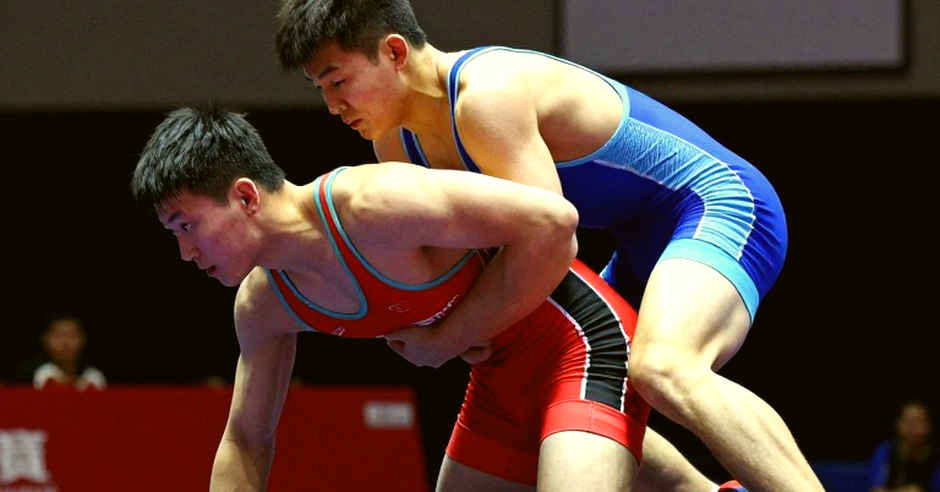
The 74 kg wrestler showed the most improvement during the camp, with notable gains in grip strength and stability in clinch situations. In the 86 kg and 97 kg divisions, body-weight management was the dominant theme, since physical advantage is often decisive at the international level. In the 125 kg category, the veteran participated only in selected sessions.
Six women trained at the camp. In the 50 kg and 53 kg classes, emphasis was placed on speed and the pace of grip changes, while in the 57 kg and 62 kg divisions, work focused on ground wrestling (par terre) and escaping defensive positions. In the 68 kg and 76 kg categories, endurance and third-round capacity received special attention.
The women's assistant coach noted that the global pace of women's wrestling has increased considerably over the past two years. She said matches can no longer be won on strength alone; point calculation, avoiding passivity and deciding when to take risks in the final seconds matter as much as technique.
Only three wrestlers joined the Greco-Roman group, reflecting the country's limited depth in the discipline. Coaches acknowledged that a lack of infrastructure and specialist training in Greco-Roman remains a long-term challenge. The camp at least drilled upper-body control, throw technique and strict adherence to rules restricting leg use.
A video-review system was used for technical analysis. Footage of each wrestler's last ten international bouts was studied and recurring errors identified. Analysts found that a large share of points were conceded in the second round — an issue tied to both fitness and tactical patience.
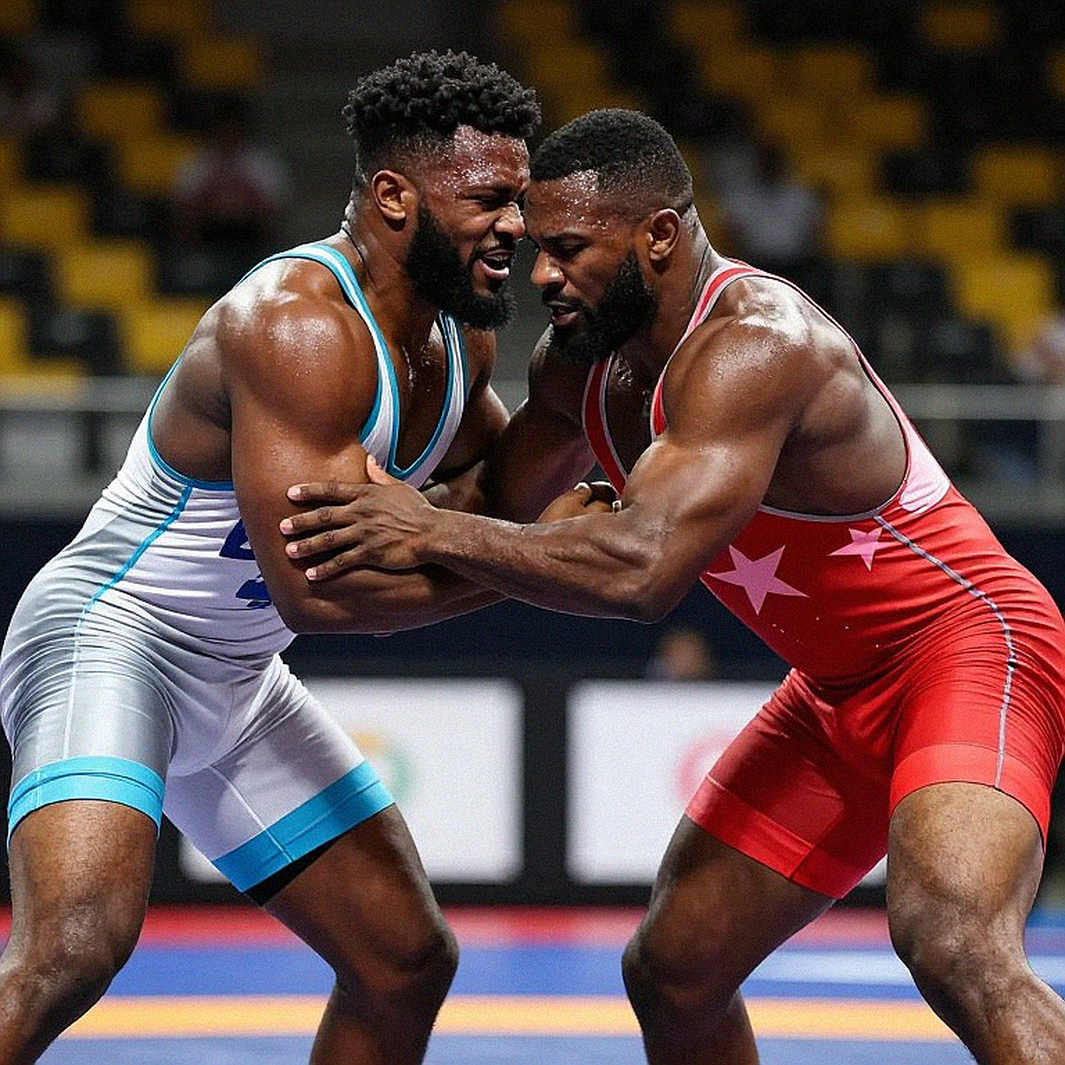
Another crucial element was passivity. Under international rules, inactivity costs points and forces a clinch. Wrestlers were taught how to stay active in clinch situations and initiate before the opponent does. Dedicated 'clinch simulation' sessions were held for this.
Injury management was taken seriously. No wrestler suffered a serious injury over the three weeks, which the coaching staff described as a significant achievement. Training load was distributed so that weight-cutting and intensity did not rise simultaneously. The nutritionist prepared individual diet charts covering protein, hydration and electrolyte balance.
On international competition, coaches made clear that matching Iran, the United States, Russia and Azerbaijan in freestyle will be difficult given their depth. In women's wrestling, Japan continues to set the benchmark, with Turkey and Mongolia also strong contenders. Greco-Roman remains dominated by Cuba, Iran and Eastern European nations.
To make selection transparent, the selection committee has already published its criteria. Trials will be held on the 12th and 13th of next month. According to the committee, performance, fitness and recent international results will carry equal weight. No wild-card provision has been kept in any category.
The head coach said the biggest gain this time is that wrestlers are learning to 'read' their bouts better. He said the difference at the international level is not only strength but the speed of decision-making. The wrestler who picks the right option in the third minute is the one who turns the match.
One of the senior wrestlers said the hardest part of the camp was maintaining intensity while controlling weight. He noted that earlier camps were heavier in volume, but this time every session had a clear objective and was evaluated. That reduced mental fatigue.
For younger wrestlers, the camp proved a major learning opportunity. Three were included in a senior-level camp for the first time and were given the chance to drill with experienced teammates, showing clear improvement in grip and positional awareness.
On future plans, it was stated that the squad selected after trials will receive a ten-day overseas exposure camp, intended to allow practice against different styles of opponent. Two international ranking tournaments are also planned to build competitive experience.
The closing session included a workshop on mental toughness, covering breathing control under pressure, recovering quickly from defeat and handling a points deficit. The sports psychologist said that at major tournaments the gap between technique and fitness is often settled by mental stability.
Overall, the camp symbolises a transitional effort for Indian wrestling — moving from traditional strength-based preparation towards modern, data-driven and individualised training. The challenges are considerable, particularly in Greco-Roman depth and the international experience of younger wrestlers. But those involved believe the first step in the right direction is often the hardest — and that step has already been taken.
संबंधित खिलाड़ी
अनुशंसित
One of Six: India Sent Five Women and One Man to Paris, and That Number Is Bigger Than Any Medal2026-10-29
The 100-Gram Verdict: In Wrestling, the Real Bout Happens on the Scale, Not the Mat2026-10-25
100 Grams and the Ledger: From the Paris Weigh-In Sheet to Delhi's Files2026-11-05
100 Grams, Six Wrestlers, One Medal: Indian Wrestling's Ledger Is Written Off the Mat2026-10-30
The Scale Picks the Team: Weight-Class Math From the Akhada to the Olympic Mat2026-10-28